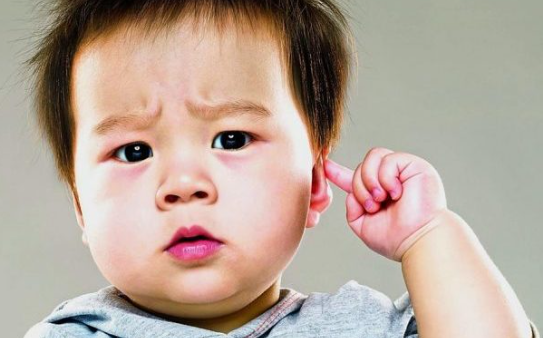
A parent who notices their child suddenly seems not to hear from one ear, having heard perfectly well just the day before, faces a genuinely alarming situation that requires the same urgency as this condition would in an adult. Sudden sensorineural hearing loss in children is rare but represents a true medical emergency deserving immediate attention. An ENT explains why this is urgent and how it is managed in a pediatric patient.
Why This Is Rare but Urgent in Children
Sudden sensorineural hearing loss occurs less frequently in children than in adults, but when it does occur, the same narrow treatment window and urgency apply, making prompt recognition and immediate medical evaluation just as critical for a child as for an adult experiencing this condition. Understanding this urgency, despite the rarity, helps parents respond appropriately if this concerning symptom develops. This condition should never be dismissed as likely resolving on its own, regardless of a child’s age.Why Prompt Action Still Matters
Just as in adults, the window for effective treatment of sudden sensorineural hearing loss in children appears to be time sensitive, with better outcomes generally associated with treatment beginning within the first one to two weeks after onset. This means any sudden hearing change noticed in a child, even if it seems to affect only one ear and the child otherwise appears well, warrants the same immediate medical attention that this condition would receive in an adult patient. Recognizing this urgency, despite the relative rarity of this specific condition in children, helps ensure prompt evaluation when it does occur.Possible Causes Specific to Children
While sudden sensorineural hearing loss in children can share some causes with the adult version of this condition, certain additional considerations specific to children deserve attention during evaluation. Understanding this range of possible causes helps guide a thorough pediatric specific evaluation. Recognizing these additional considerations ensures nothing specific to childhood is overlooked.Pediatric Specific Considerations
Viral infections, similar to adult cases, represent a common potential cause, though children may also warrant evaluation for certain congenital inner ear abnormalities that could predispose to sudden hearing changes following a relatively minor triggering event like a viral illness or minor head injury. Autoimmune conditions, while less common in children than adults, should also be considered as part of a thorough evaluation. This broader consideration of pediatric specific factors, alongside causes shared with adult cases, ensures a complete evaluation appropriate for a child’s specific situation.Recognizing the Signs in a Child Who Cannot Describe Them
Younger children, particularly those without the language skills to clearly describe a sudden hearing change, may show this symptom through behavioral signs rather than directly reporting the hearing loss themselves. Understanding these behavioral indicators helps parents recognize this urgent condition even in a child too young to describe it directly. Recognizing these indirect signs can be the key to prompt, appropriate evaluation.Behavioral Signs Parents Might Notice
A young child might suddenly seem to not respond when called from one side, turn their head consistently to favor one ear, or show sudden frustration or behavioral changes that could reflect the confusion and difficulty of a sudden hearing change they cannot yet articulate. Older children who can communicate more clearly might describe a sudden change, a sensation of fullness, or difficulty hearing specifically from one ear. Any of these signs, whether directly reported or observed behaviorally, warrants the same immediate medical attention this condition requires.Emergency Evaluation Steps
Evaluating suspected sudden hearing loss in a child involves prompt hearing testing, adapted appropriately for the child’s age, to confirm the diagnosis and begin treatment as quickly as possible. Understanding this evaluation process helps parents know what to expect during this urgent medical visit. This evaluation is designed to move quickly given the time sensitive nature of effective treatment.The Evaluation Process
Age appropriate hearing testing, which can be adapted for children of nearly any age including infants, confirms the presence and characterizes the type of hearing loss present. Given the urgency involved, treatment, typically involving steroid medication, often begins promptly even as additional evaluation for an underlying cause continues in parallel. This prompt, parallel approach to both confirming the diagnosis and beginning treatment reflects the same urgency that guides management of this condition in adult patients.Treatment and Prognosis for Children
Treatment for sudden sensorineural hearing loss in children generally follows similar principles to adult treatment, with steroid medication remaining the primary intervention, though prognosis and specific considerations may differ somewhat based on the child’s age and any underlying cause identified. Understanding this treatment approach and range of possible outcomes helps families navigate this urgent pediatric condition with appropriate information. Many children achieve meaningful hearing recovery with prompt, appropriate treatment.What Treatment and Recovery Typically Involve
Treatment for sudden hearing loss in children generally follows similar principles to adult treatment. Understanding this approach helps families navigate this urgent condition. The list below reflects key components of treatment and recovery.- Prompt steroid treatment during the critical window
- Age appropriate hearing testing to confirm diagnosis
- Evaluation for any underlying cause
- Ongoing hearing monitoring after initial treatment
- Support for any residual hearing changes