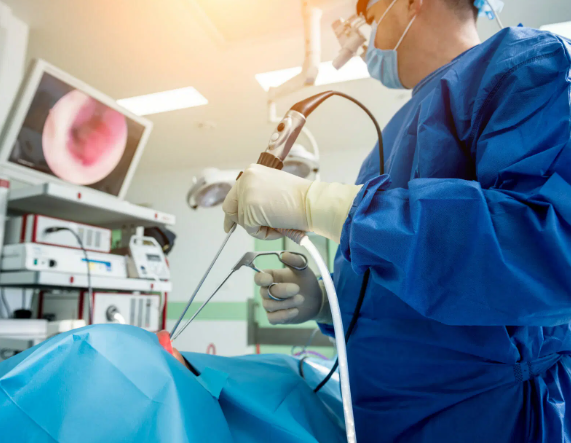
Numbness after sinus surgery concerns many patients who did not expect to lose sensation in part of their face or nose following what they understood to be a routine, relatively minor procedure. This symptom, while unsettling, is a recognized and usually temporary part of recovery for certain sinus and nasal procedures. An ENT explains why numbness after sinus surgery happens, how long it typically lasts, and when it warrants further evaluation.
Why Numbness After Sinus Surgery Occurs
Numbness after sinus surgery happens because small sensory nerves near the surgical site can be stretched, compressed, or temporarily disrupted during the procedure, even when the surgery itself goes exactly as planned. These nerves are responsible for sensation in areas such as the upper teeth, gums, cheek, or nose, depending on which specific sinus procedure was performed. Understanding that this nerve involvement is a normal part of the anatomy near the sinuses helps explain why numbness, while uncomfortable, is rarely a sign that something has gone wrong.Which Procedures Are Most Likely to Cause This Symptom
Procedures involving the maxillary sinus or septoplasty are more commonly associated with numbness after sinus surgery than more limited procedures, simply because of the proximity of sensory nerves to the surgical area involved. Patients undergoing more extensive sinus surgery, such as procedures addressing chronic sinusitis affecting multiple sinus cavities, may notice numbness across a broader area of the face. Surgeons typically discuss this possibility before surgery, though the actual experience of numbness can still surprise patients once it occurs.How Long Numbness After Sinus Surgery Typically Lasts
Numbness after sinus surgery is usually temporary, with most patients noticing gradual improvement over several weeks as nerves that were stretched or irritated during surgery slowly recover their normal function. In many cases, sensation returns close to normal within one to three months, though some patients experience lingering areas of reduced sensation for longer. Understanding this typical timeline helps patients set realistic expectations rather than assuming numbness at two weeks after surgery represents a permanent outcome.Why Nerve Recovery Takes Time
Nerve tissue heals more slowly than most other tissue in the body, which explains why numbness after sinus surgery can persist even after the surgical site itself has otherwise healed well. Small sensory nerves regenerate gradually, often described as regrowing at a rate of roughly one millimeter per day, which helps explain why recovery of sensation can take weeks to months depending on how far the affected nerve fibers must regenerate. This slow but steady process is a normal part of how the nervous system heals from surgical disruption.Five Facts Patients Should Know About This Symptom
Several specific facts help patients understand numbness after sinus surgery more clearly and know what to expect during their own recovery.- Numbness is a recognized side effect, not necessarily a complication
- Most cases improve gradually over weeks to a few months
- The affected area depends on which specific procedure was performed
- Tingling or unusual sensations often precede full sensation returning
- Persistent numbness beyond several months should be evaluated further
Why Tingling Is Often a Sign of Improvement
Patients experiencing numbness after sinus surgery often notice tingling or a pins and needles sensation as nerve function begins returning, which can feel strange but generally indicates that the nerve is recovering rather than remaining permanently affected. This transitional sensation is a normal part of nerve healing and typically precedes a full return of normal feeling in the affected area. Recognizing this pattern can reassure patients during a phase of recovery that might otherwise feel concerning.How Numbness Affects Daily Activities During Recovery
Numbness after sinus surgery can make certain daily activities feel unusual, such as eating, drinking, or brushing the teeth if the affected area includes part of the upper gums or lip. Patients sometimes report accidentally biting their lip or cheek without realizing it due to reduced sensation in the area, which is worth being mindful of during the recovery period. These practical adjustments are temporary and improve as sensation gradually returns over the following weeks.Simple Precautions Patients Can Take
Being extra cautious with hot foods or drinks, checking for food debris after meals when sensation is reduced, and avoiding activities that could lead to accidental injury of a numb area are practical steps patients can take while recovering from numbness after sinus surgery. These precautions are simple but meaningfully reduce the risk of unnoticed minor injuries during the period when sensation has not yet fully returned. Most patients adapt quickly to these adjustments without significant disruption to daily life.How This Symptom Is Discussed During Follow Up Visits
Follow up visits after sinus surgery typically include a specific check in about numbness, tingling, or other sensory changes, since surgeons want to track the pace of nerve recovery over time. Patients are encouraged to describe not just whether numbness is present, but whether it has changed in character or size since the previous visit, since this trajectory provides more useful information than a single snapshot in time. This ongoing tracking helps the surgical team identify quickly if recovery is following an expected pattern or deviating from it.Why Consistent Follow Up Improves Outcomes
Patients who attend consistent follow up visits after sinus surgery tend to have any unusual patterns identified and addressed earlier than those who skip appointments once they feel generally well. Numbness after sinus surgery, while usually benign, is exactly the kind of symptom that benefits from this ongoing monitoring, since early identification of an atypical case allows for more timely evaluation if needed. This is one of several reasons surgeons emphasize the importance of completing the full recommended follow up schedule.When Numbness After Sinus Surgery Warrants Further Evaluation
While most cases of numbness after sinus surgery resolve on their own, certain patterns warrant a follow up evaluation with the surgical team rather than continued waiting. Numbness that is worsening rather than improving, numbness accompanied by significant pain, or numbness that shows no signs of improvement after several months are all reasons to seek further assessment. These situations are uncommon, but recognizing them helps ensure that any less typical cause is identified and addressed appropriately.What Further Evaluation Typically Involves
According to the American Rhinologic Society, persistent sensory changes after sinus surgery are uncommon but can be evaluated through a combination of physical examination and, in select cases, imaging to assess the surgical area and surrounding nerve pathways. This evaluation helps distinguish between normal prolonged nerve recovery and a less common structural issue that may require additional treatment. Most patients who undergo this evaluation are reassured that recovery, though slower than expected, remains on a normal trajectory.How Surgeons Try to Minimize This Risk
Surgeons performing sinus surgery use techniques specifically intended to minimize disruption to sensory nerves near the surgical field, including careful surgical planning based on preoperative imaging that identifies the location of major nerve pathways. While some degree of nerve irritation cannot always be avoided given the anatomy involved, these techniques have reduced both the frequency and severity of numbness after sinus surgery compared to older surgical approaches. You can read more about our approach to sinus and nasal surgery on our practice page at the New York Institute of Otolaryngology.Why Discussing This Risk Before Surgery Matters
Patients who understand the possibility of numbness after sinus surgery before undergoing the procedure tend to feel less alarmed if it occurs, since they already know it fits within the range of expected recovery experiences. This is part of why a thorough preoperative conversation about potential sensory changes is an important part of informed consent for sinus surgery. Setting these expectations in advance helps patients approach recovery with appropriate patience rather than unnecessary worry.Supporting Patients Through an Unexpected Part of Recovery
Numbness after sinus surgery can be an unsettling symptom to experience, particularly for patients who did not anticipate it as part of their recovery. In the vast majority of cases, this symptom improves gradually and resolves without any lasting impact, though patience during the recovery period is often required as nerve tissue slowly regenerates. Dr. Raj and the team at the New York Institute of Otolaryngology guide patients throughout Brooklyn and Rego Park through sinus surgery recovery, helping them understand which symptoms are expected and which deserve a closer look.Temporary numbness can occur after certain sinus or nasal procedures because nearby sensory nerves may be affected during healing.
Small sensory nerves near the surgical area can be stretched, compressed, or temporarily disrupted.
No. In many cases, postoperative numbness is temporary, but persistent symptoms should be discussed with the treating surgeon.
Contact your medical team if numbness is severe, worsening, persistent, or accompanied by other concerning symptoms.
His practice provides evaluation and treatment for sinus and nasal conditions, including appropriate surgical care.
He provides ENT services in Brooklyn and Rego Park, New York.