Sleep Apnea and When to See an ENT Specialist
If you snore heavily, wake up gasping, or feel exhausted no matter how much sleep you get, you may be dealing with sleep apnea. It is one of the most common sleep disorders, and it often goes undiagnosed for years because the symptoms show up at night, when no one is watching.
Dr. Raj Bhayani, an ENT physician and surgeon at the New York Institute of Otolaryngology and Aesthetic Surgery in Brooklyn and Rego Park, sees patients regularly who have lived with sleep apnea without realizing it. An ENT evaluation is often the first real step toward understanding what is happening in your airway and what can be done about it.
What Is Sleep Apnea?
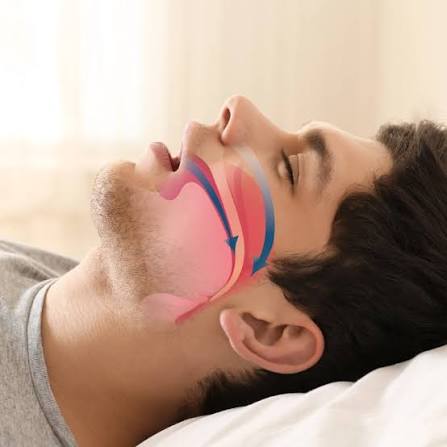
Sleep apnea is a condition where breathing repeatedly stops and starts during sleep. The most common form, obstructive sleep apnea, happens when the muscles in the throat relax too much and block the airway.
- Breathing pauses can happen dozens of times an hour without the person waking up fully
- Each pause lowers oxygen levels and disrupts deep sleep
- Left untreated, it is linked to high blood pressure, heart problems, and daytime fatigue that affects everything from driving to work performance
The disruption is rarely obvious to the person experiencing it. Most people find out from a partner who notices the snoring, gasping, or long pauses in breathing.
Signs and Symptoms to Watch For
Sleep apnea does not always look the way people expect. Some signs are loud and obvious, others are easy to dismiss as just being tired.
- Loud, chronic snoring
- Gasping or choking sounds during sleep
- Waking up with a dry mouth or sore throat
- Morning headaches
- Excessive daytime sleepiness, even after a full night in bed
- Difficulty concentrating or irritability during the day
If several of these sound familiar, especially the combination of loud snoring and daytime exhaustion, it is worth having a conversation with an ENT rather than assuming it will resolve on its own.
How an ENT Evaluates Sleep Apnea
An ENT looks specifically at the structures in your nose, mouth, and throat that affect airflow during sleep. The evaluation usually starts with a conversation about your symptoms, your sleep habits, and any conditions that run in your family.
- A physical exam of the nose, throat, and neck to check for anatomical factors like a deviated septum, enlarged tonsils, or a narrow airway
- A review of your medical history, including weight changes, allergies, and any prior sleep studies
- A referral for a sleep study if one has not already been done, since this is what confirms a diagnosis and measures severity
This step matters because sleep apnea has more than one cause, and the right treatment depends on understanding exactly where the airway is being restricted.
Treatment Options
Treatment is not one-size-fits-all. What works depends on the severity of the apnea and what is causing the obstruction.
- Lifestyle changes, such as weight management or side sleeping, for mild cases
- CPAP therapy, which keeps the airway open using gentle air pressure during sleep
- Oral appliances that reposition the jaw or tongue to reduce airway blockage
- Treatment of contributing factors like chronic nasal congestion or allergies, which can make breathing at night harder even for people already using CPAP
Many patients start with the least invasive option and adjust based on how well it works and how consistently they can use it.
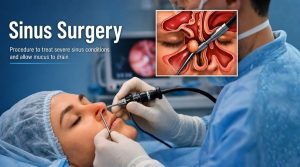
When Surgery May Be Recommended
Surgery is not the first option for most patients, but for some, it becomes the most effective path forward.
- When CPAP is not tolerated well or does not resolve symptoms
- When there is a clear structural cause, such as significantly enlarged tonsils or a deviated septum, that is contributing to the blockage
- When nasal obstruction is severe enough to make other treatments less effective
Dr. Bhayani reviews each case individually and discusses realistic expectations before recommending any surgical approach.
Choosing the Right ENT
Sleep apnea affects far more than your nights. It shapes your energy, your focus, and over time, your overall health. Getting an accurate evaluation from an ENT who takes the time to understand your specific situation makes a real difference in finding a treatment that actually works for you.
If you suspect you may have sleep apnea, Dr. Raj Bhayani and his team at the New York Institute of Otolaryngology and Aesthetic Surgery in Brooklyn and Rego Park are ready to help you get answers. Contact the practice to schedule an evaluation.
Sleep apnea is a sleep disorder in which breathing repeatedly stops or becomes restricted during sleep.
Common signs can include heavy snoring, waking up gasping, and feeling tired despite getting enough sleep.
Yes. An ENT evaluation can help assess structural or airway factors that may contribute to sleep-related breathing problems.
Consider an ENT evaluation when snoring, nighttime breathing problems, or related symptoms persist or affect daily life.
Yes. His practice evaluates ENT-related causes of sleep and breathing problems.
He provides care in Brooklyn and Rego Park, New York.