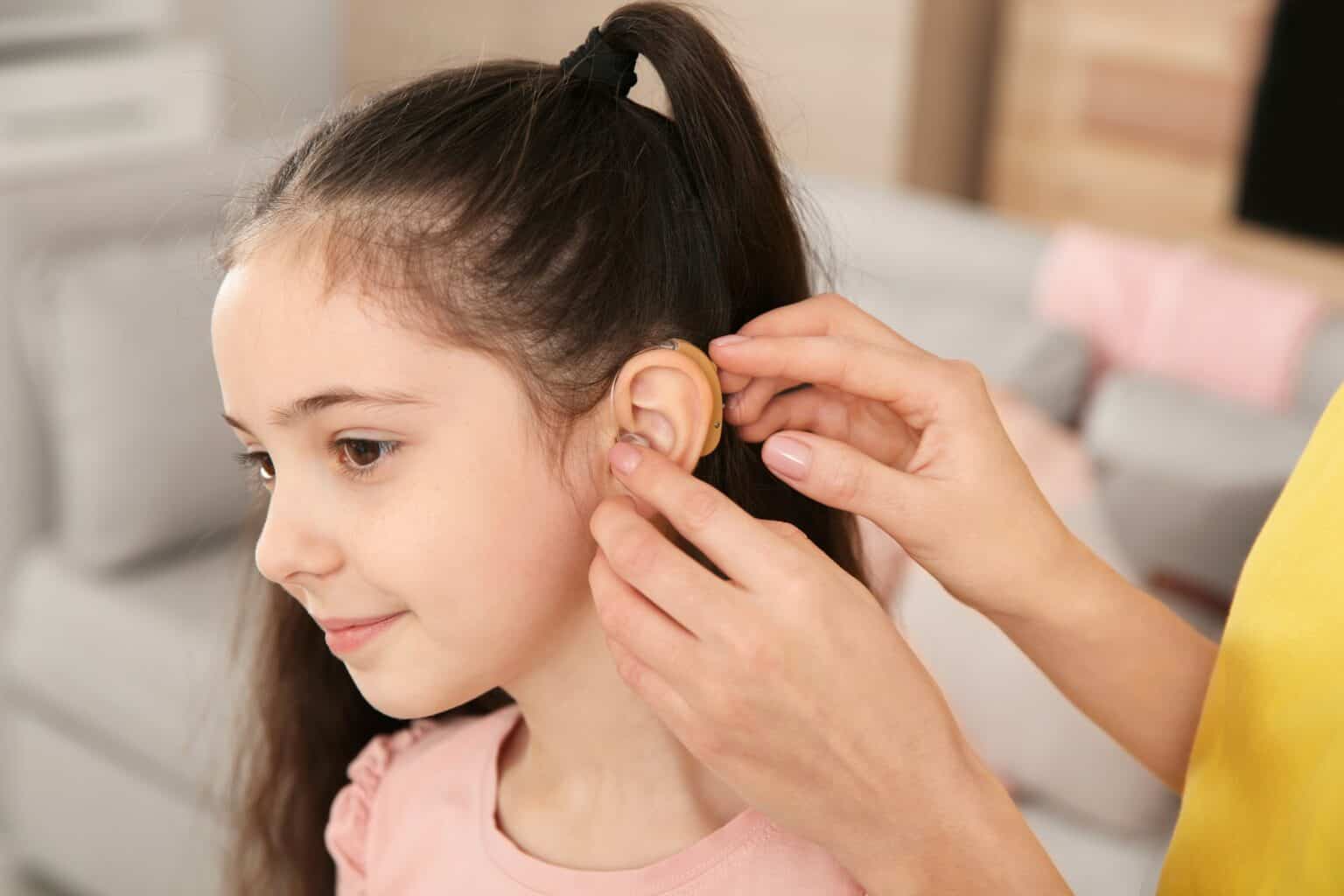
Genetic testing for childhood hearing loss has moved from a specialized research tool into a routine, often essential part of diagnosing why a child cannot hear normally from birth. Families who once received a diagnosis with no clear explanation now frequently receive a specific genetic answer within weeks. A surgeon explains what a genetic panel can reveal and how this growing capability is reshaping care for families.
Why Genetic Causes Are Now Tested Routinely
Genetic testing has become a standard part of the diagnostic workup for childhood hearing loss because a genetic cause accounts for a substantial majority of cases identified at birth, particularly when no other clear cause is found. Understanding why testing has become routine rather than exceptional helps explain this significant shift in pediatric hearing care. This shift reflects both improved testing technology and a deeper understanding of hearing loss genetics.
A Shift From Rare to Routine
Just two decades ago, genetic testing for hearing loss was reserved for unusual or complex cases where other explanations had already been exhausted. Today, this same testing is offered proactively to most families facing a newborn hearing loss diagnosis, reflecting how significantly genetic causes contribute to this condition overall. This shift toward routine testing means families now receive answers far earlier in their child’s diagnostic journey than was possible in the past.
What a Genetic Panel Can Reveal
A genetic panel for childhood hearing loss examines a range of specific genes known to contribute to this condition, most commonly identifying a variant in the connexin 26 gene, the single most common genetic cause identified worldwide. Understanding what this panel actually reveals helps families interpret results meaningfully. This testing can identify far more than simply confirming that a genetic cause exists.
The Range of Information Available
A genetic panel can reveal several distinct pieces of information relevant to a child’s hearing loss and future care. Understanding this range helps families know what to expect from testing. The list below reflects what these panels commonly identify.
- The specific gene variant responsible for the hearing loss
- Whether the hearing loss is likely to remain stable or progress
- Whether other body systems might also be affected
- The likelihood of hearing loss in future children in the family
- Whether the pattern is inherited or occurred independently
How Results Guide Treatment Decisions
These results directly influence treatment planning for a child with hearing loss, sometimes changing the recommended approach entirely once a specific genetic cause is identified. Understanding this connection between genetic results and treatment decisions helps families see the practical value of pursuing this testing early. These results can meaningfully shape both immediate and long term care planning.
Why Results Matter for Care Planning
Certain genetic variants are associated with hearing loss that may progressively worsen over time, information that directly informs how closely a child’s hearing should be monitored going forward. Other genetic findings can indicate whether a cochlear implant is likely to be particularly effective, since some genetic causes respond especially well to this specific intervention. According to the American Academy of Otolaryngology, incorporating genetic information into treatment planning represents one of the most significant advances in pediatric hearing care in recent years.
Counseling Families Through Genetic Results
Receiving genetic testing results requires thoughtful counseling support, since these results carry emotional weight and implications extending beyond the immediate hearing diagnosis itself. Understanding this counseling process helps families feel prepared for this part of their child’s diagnostic journey. Genetic counselors play an essential role in helping families process and act on this information.
The Role of Genetic Counseling
A genetic counselor helps translate complex testing results into practical, understandable information, including what a specific finding means for a child’s future hearing and for any future children in the family. This counseling also addresses the emotional dimension of receiving genetic information, which can bring both clarity and new questions for a family. This combination of clear information and emotional support helps families move forward confidently after receiving results.
The Future of Genetic Hearing Research
This field continues to advance rapidly, with ongoing research identifying new genetic causes and refining how existing findings guide treatment. Understanding this trajectory helps families and physicians appreciate how much this field continues to evolve. The pace of discovery in this area suggests even more precise, personalized care in the years ahead.
Where This Field Is Headed
Researchers continue to identify additional genes contributing to hearing loss, steadily increasing the percentage of cases that can be explained through genetic testing. Emerging gene therapy research, still in early stages, holds the potential to eventually address certain genetic causes of hearing loss directly rather than only managing the resulting hearing impairment. This continued progress suggests that genetic testing will only become more informative and more central to pediatric hearing care in the coming years.
Genetic Answers for Families Facing Hearing Loss
Genetic testing has transformed how families understand and plan for a child’s hearing loss, offering answers that were simply unavailable a generation ago. Dr. Raj and the pediatric team at the New York Institute of Otolaryngology guide families throughout Brooklyn and Rego Park through exactly this kind of genetic evaluation. This growing capability continues to bring real clarity and better care planning to families who once faced an unexplained diagnosis.