Listening to patients has shaped nearly every meaningful decision I have made across two decades of practicing ENT medicine. When I look back on the cases that taught me the most, almost none of them involved a rare diagnosis or a technically difficult surgery. Nearly all of them came down to a single moment when I stopped talking and simply listened.
Why Listening to Patients Changed My Practice
Early in my training, I believed medical expertise meant having the right answer quickly, and pausing to listen felt like a delay rather than a diagnostic tool. Over time, I realized that this habit was not slowing me down, it was actually where most of the useful clinical information lived. A patient describing their symptoms in their own words, without interruption, almost always tells a physician more than a rushed intake checklist ever could.
The Shift in My Own Thinking
I remember the exact appointment where this shift happened for me, a patient whose symptoms did not fit any pattern I recognized until I simply let her finish her entire story without interrupting. Buried in the middle of that story was a detail I would have missed with a faster, more standard intake process. That single experience changed how I approach patient communication in every appointment since.
Moments That Taught Me the Most as a Physician

Certain cases from my career stand out clearly, years later, precisely because of what active listening revealed that a standard exam alone would have missed. These moments were rarely dramatic in the way a difficult surgery might be, but they were formative in a much quieter way. I think about several of them regularly, even now.
A Few Specific Examples
A handful of specific moments stand out clearly when I reflect on what active listening has taught me over the years. Each one reshaped some part of how I practice patient centered care today. The list below reflects a few of the clearest examples.
- A parent’s offhand comment that revealed the true cause of a child’s recurring symptoms
- A patient’s hesitation that signaled fear worth addressing directly
- A detail mentioned almost apologetically that changed an entire diagnosis
- A question left unasked until I specifically made room for it
- A story told out of order that still contained the answer I needed
How Active Listening Shapes My Diagnostic Process
Practicing active listening consistently, rather than occasionally, changed how I structure every single appointment, not just the complicated ones. I now build in deliberate space for a patient to speak before I begin directing the conversation toward specific questions. This adjustment, small as it sounds, has meaningfully improved my diagnostic accuracy on the first visit.
A Structural Change to My Appointments
I now open nearly every new patient visit with an open ended question and genuinely wait through the silence that sometimes follows, rather than filling that space with my own prompts. This patience, uncomfortable at first, consistently surfaces information a more structured approach would have missed entirely. This kind of patient communication has become less a soft skill and more a core part of my clinical communication process.
Teaching Patient Centered Care to Younger Physicians

I now spend part of my time mentoring residents and younger physicians, and active listening is one of the first lessons I try to pass along deliberately. Technical skill can be taught relatively quickly, but this particular habit takes real, sustained practice to build. I try to model it directly rather than simply describing it as a concept.
How I Try to Teach This Skill
When a resident is shadowing me, I sometimes deliberately let a longer silence sit in the room, then explain afterward why I did not rush to fill it. This modeling seems to land more effectively than simply telling a younger physician that active listening matters. According to the American Academy of Otolaryngology, effective doctor patient communication remains one of the strongest predictors of diagnostic accuracy and patient satisfaction, a finding that matches everything I have observed firsthand in my own practice.
What I Still Have to Learn as a Physician
Even after twenty years, I do not consider this skill fully mastered, since busy days and time pressure still tempt me toward shortcuts. I catch myself, more often than I would like, moving too quickly through a familiar seeming case. Recognizing this ongoing tendency keeps me honest about how much this habit still requires.
Staying Honest About the Gaps
I try to notice when I have rushed a conversation and, when possible, circle back before the visit ends to ask if anything was left unsaid. This small correction has occasionally revealed something important that I had nearly missed entirely. Active listening, I have come to accept, is not a skill with a finish line, it is a practice that requires renewed attention and genuine empathy every single day.
A Career Built on Listening to Patients
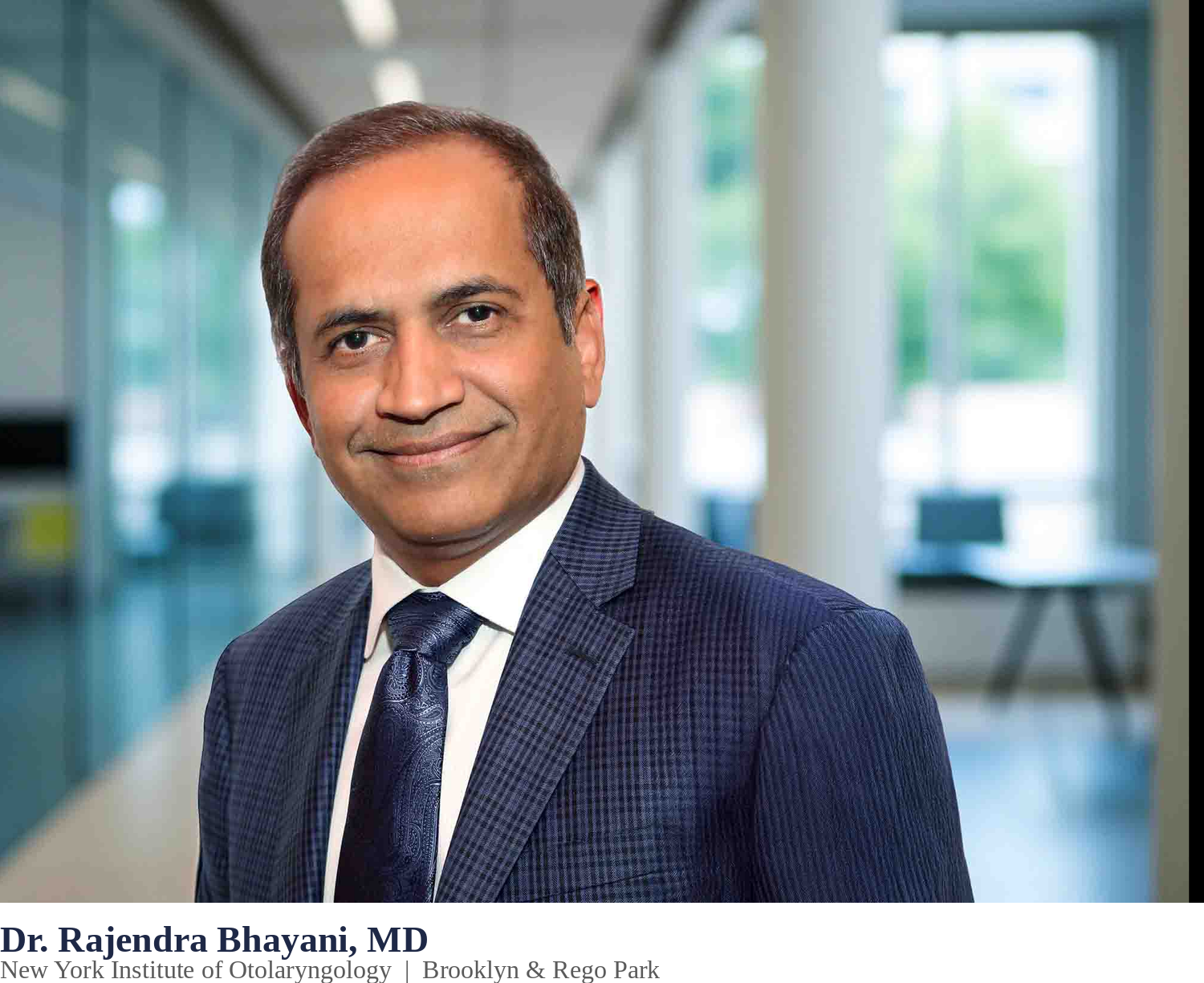
Two decades into this career, listening to patients remains the single most valuable habit I have developed, more than any specific surgical technique. I bring this same commitment to patient centered care throughout Brooklyn and Rego Park at the New York Institute of Otolaryngology. The lessons this habit has taught me continue to shape how I practice medicine every day.