Hands on surgical care is something I have never been willing to give up, even as my practice has grown and administrative demands have multiplied over the years. Many surgeons at a similar career stage shift primarily toward supervising, stepping back from the operating room itself. I made a different choice, and I want to explain the five reasons behind it.
Why Hands On Surgical Care Still Matters to Me
Hands on surgical care keeps me directly connected to the outcomes my patients actually experience, rather than experiencing surgery only through reports and secondhand summaries. This direct involvement shapes how I think about every other part of my practice, from consultation to follow up. I believe this connection has made me a better physician overall, not just a more experienced surgeon.
Staying Connected to Real Outcomes
When I perform a procedure myself, I see firsthand exactly what worked well and what I might approach differently next time, information that simply does not translate the same way through a report from another surgeon. This direct feedback loop has meaningfully sharpened my surgical judgment over the years in ways I do not think supervision alone would have provided. Staying this involved has been as much about my own continued growth as a physician as it has been about any individual patient.
What Gets Lost When Surgeons Step Back Too Early
I have watched some talented colleagues transition away from direct operating earlier than I believe was necessary, often citing the natural progression of a senior career. In some cases, I think this transition happened before it truly needed to, and something valuable was lost in that shift. Surgical judgment, much like any skill built through repetition, requires continued practice to stay genuinely sharp.
The Skill Erosion Risk
A surgeon who steps back from operating too early risks losing some of the fine, intuitive judgment that only comes from continued, regular practice, even if their supervisory knowledge remains excellent. I have tried to avoid this by staying personally involved in surgery well past the point where stepping back might have been the more common path. This decision has required real effort, but I believe it has kept my direct patient care at the same high standard it was earlier in my career.
How I Balance Teaching and Operating

Maintaining this level of direct involvement while also mentoring younger physicians requires a genuine balancing act, one I have refined considerably over the years. I have not found these two priorities to be in conflict, though it did take deliberate effort to structure my time to support both. I now view teaching and operating as reinforcing each other rather than competing for my attention.
Making Both Priorities Work
A few specific habits have helped me maintain this balance between surgery and mentorship simultaneously. These habits required deliberate scheduling and consistent follow through. The list below reflects what has worked well for me.
- Bringing residents into the operating room as active participants, not just observers
- Explaining my reasoning out loud during key surgical decisions
- Reserving specific days primarily for surgery rather than splitting time too thin
- Following up personally with residents after cases to discuss judgment calls
- Treating every supervised case as a teaching opportunity, not a distraction
What Patients Should Know About Surgical Care
I believe patients deserve clarity about who will actually be performing their procedure, and experienced, direct involvement from their surgeon is something I think patients should feel comfortable asking about. This is not a criticism of well run supervised care models, which serve many patients well. It simply reflects what I personally believe matters for my own practice and the patients who choose to see me.
A Reasonable Question to Ask
Any patient facing surgery has every right to ask directly who will be performing the procedure and how involved that specific surgeon remains in hands on cases generally. I welcome this question from my own patients, since I want them to feel confident in exactly who is providing their care. The American College of Surgeons encourages this same kind of direct, transparent conversation between patients and their surgical teams.
My Ongoing Commitment as a Surgeon
This direct, personal involvement will remain a defining part of my practice for as long as I continue practicing medicine, not simply a phase I eventually moved beyond. I do not view this as an old fashioned approach, but as a deliberate choice about the kind of surgeon and physician I want to continue being. My patients, I believe, benefit directly from this ongoing commitment.
Why This Will Not Change
I have no plans to step back from this hands on approach as my career continues, since I still find this work genuinely meaningful and believe my direct involvement continues to serve my patients well. This commitment shapes how I structure my entire practice, from scheduling to mentorship to ongoing skill development. I intend to keep operating myself for as long as I am able to do so well.
A Career Built on Hands On Surgical Care
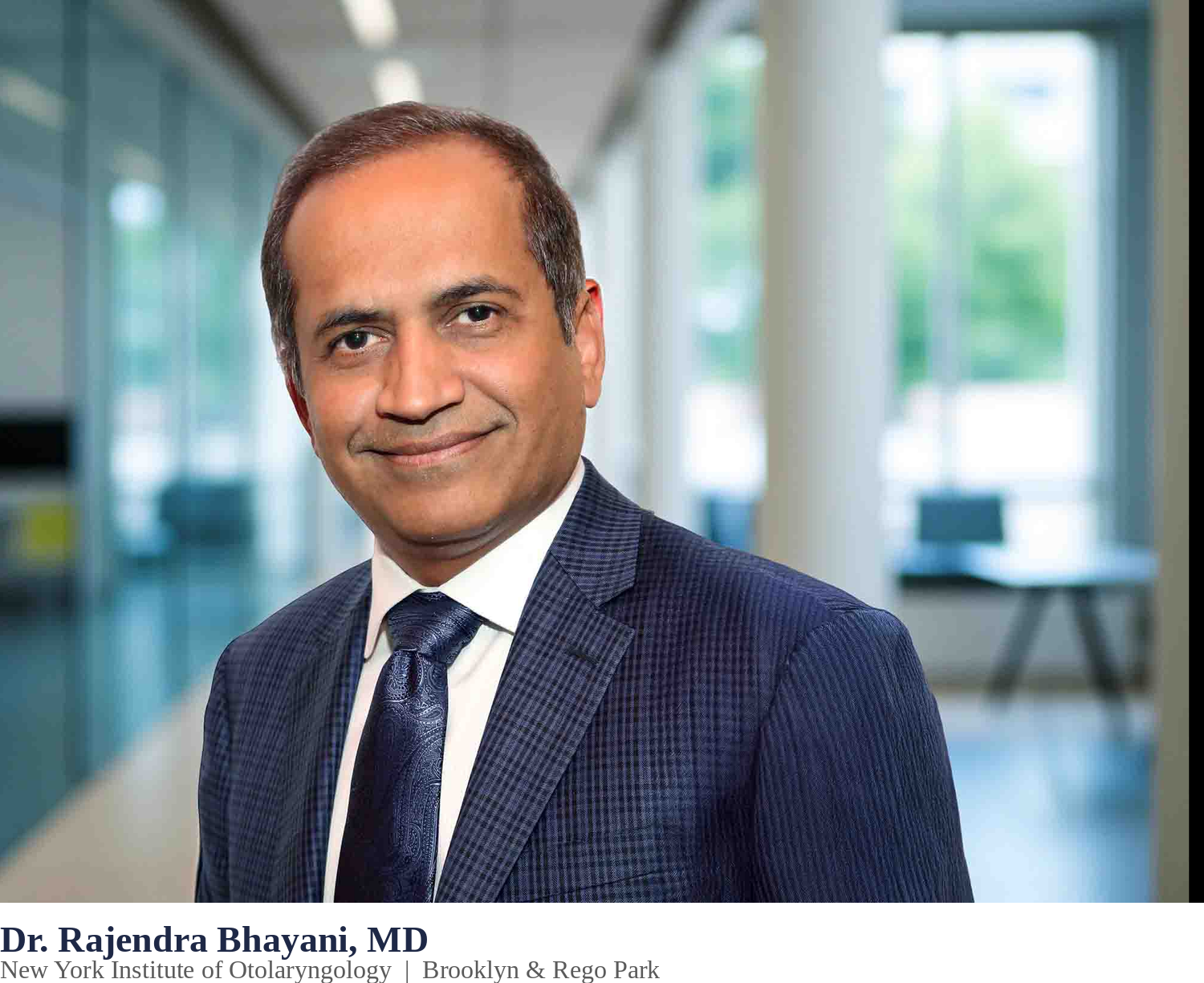
Hands on surgical care has remained a defining, deliberate choice throughout my career rather than something I outgrew with seniority. I continue to bring this direct, personal involvement to every patient I treat throughout Brooklyn and Rego Park at the New York Institute of Otolaryngology. This commitment to staying hands on remains one of the values I hold most firmly as a physician.