Snoring after weight loss surprises many patients who expected their snoring to disappear once the pounds came off, not appear for the first time. Some patients lose significant weight through diet, exercise, or medication and still find themselves snoring louder than ever before, which can feel discouraging after months of hard work. An ENT explains why snoring after weight loss happens, what it usually means, and when it deserves a closer look.
Why Losing Weight Does Not Always Stop Snoring
Snoring after weight loss seems counterintuitive at first, since excess weight around the neck and throat is one of the most well known contributors to snoring in the first place. However, weight is only one factor among several that determine whether the airway narrows enough during sleep to produce sound. Understanding why weight loss alone does not guarantee quieter nights helps patients look more carefully at the other contributors that may be driving their symptoms. In some cases, snoring was always present but was masked by other factors, or it simply became more noticeable once other lifestyle changes accompanied the weight loss.
The Loose Tissue Effect After Significant Weight Loss
One lesser known cause of snoring after weight loss involves loose or lax tissue in the throat and soft palate that can develop following rapid or substantial weight reduction. As fat deposits shrink, the surrounding soft tissue does not always tighten at the same pace, occasionally leaving behind tissue that vibrates more easily during sleep than it did before. This effect is more commonly seen after significant weight loss achieved quickly, such as through certain medications or surgical procedures, compared to slower and more gradual weight loss.
Other Contributors Beyond Body Weight
Snoring after weight loss often reveals that body weight was never the only factor at play, and that anatomical or lifestyle contributors were present all along. Nasal obstruction, enlarged tonsils, or a naturally narrow airway can all contribute to snoring regardless of body weight, meaning a person can lose a significant amount of weight and still snore because these underlying factors were never addressed. Recognizing this distinction helps patients understand that snoring is rarely caused by a single factor alone.
Why Alcohol and Sleep Position Still Matter
Even after weight loss, habits such as drinking alcohol before bed or sleeping flat on the back can continue to contribute to snoring after weight loss, since both relax the muscles of the throat and allow the airway to narrow more easily during sleep. Patients who focused primarily on weight loss as their solution sometimes overlook these other contributing habits entirely. Addressing them alongside weight loss often produces a more noticeable improvement than weight loss alone.
Five Reasons Snoring Can Appear or Worsen After Weight Loss
Several specific and sometimes overlooked reasons explain why snoring after weight loss can appear unexpectedly or even worsen rather than improve. Understanding these reasons helps patients know what to bring up during an evaluation.
- Loose throat tissue that has not yet tightened following rapid weight loss
- Underlying nasal obstruction that was masked by other symptoms before
- Sleep apnea that was present all along but attributed to weight alone
- Changes in sleep position or habits that developed during the weight loss process
- Muscle tone changes in the tongue and throat unrelated to fat loss specifically
Why a Single Cause Is Rarely the Full Explanation
Snoring after weight loss is rarely explained by just one of these factors in isolation, and most patients who investigate further discover that two or three contributors are working together. This is part of why an evaluation focused specifically on the airway, rather than assuming weight is the only variable, tends to produce more useful answers than continuing to wait for further weight loss to resolve the problem.
When Snoring After Weight Loss Signals Sleep Apnea
Snoring after weight loss sometimes uncovers an underlying case of sleep apnea that had been present even before the weight loss began, simply masked by the assumption that snoring was purely a weight related issue. Sleep apnea involves repeated pauses in breathing during sleep and carries health implications well beyond simple noise, including impacts on heart health and daytime energy levels. Patients who continue to snore loudly after significant weight loss, particularly if they also experience daytime fatigue, should consider a sleep evaluation rather than assuming the snoring will eventually resolve on its own.
Why a Sleep Study May Be Recommended
According to the
American Academy of Sleep Medicine, a home or in lab sleep study remains the most reliable way to determine whether snoring after weight loss is accompanied by pauses in breathing consistent with sleep apnea. This evaluation provides an objective measurement rather than relying on impressions from a partner or roommate about how loud or frequent the snoring has become. Patients are often surprised to learn how much this data changes the recommended treatment path.
Why Rapid Weight Loss Methods Show This Pattern More Often
Snoring after weight loss appears to be reported more frequently among patients who lose weight quickly through certain medications or surgical procedures compared to those who lose weight gradually through diet and exercise alone. The speed of the change may not give surrounding throat tissue enough time to adjust in tandem with the fat loss, leaving a temporary period of looser tissue that can vibrate more easily during sleep. This does not mean rapid weight loss is unsafe, but it does mean patients pursuing this path should be aware that snoring is a possible temporary or lasting side effect worth monitoring.
Whether This Type of Snoring Improves Over Time
In many patients, snoring after weight loss related to loose tissue gradually improves over several months as the body adjusts and tissue tone stabilizes following the initial change. However, this is not universal, and patients whose snoring persists or worsens beyond this adjustment period should not simply assume it will eventually resolve on its own. An evaluation can clarify whether the snoring reflects a temporary adjustment or a more permanent structural change worth addressing directly.
The Emotional Side of Unexpected Snoring After Weight Loss
Patients who worked hard to lose weight often feel discouraged when snoring after weight loss appears or continues despite their efforts, particularly if they expected this specific symptom to resolve alongside other health improvements. It is worth separating the emotional disappointment from the medical reality, since snoring after weight loss usually has an identifiable and treatable cause once properly evaluated. Framing it as a new piece of information rather than a failure of the weight loss itself tends to lead to a more productive conversation with a specialist.
Why Partners Often Notice Before Patients Do
Because snoring happens during sleep, many patients only become aware of snoring after weight loss because a partner or family member mentions it, sometimes describing it as louder or different in character than before. This outside observation is valuable and worth taking seriously, since patients themselves have no direct way of knowing how their own breathing sounds during sleep. Bringing a partner’s observations to an evaluation often provides useful detail that shapes the direction of the workup.
How an ENT Evaluates Snoring After Weight Loss
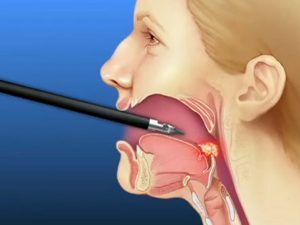
An ENT evaluating snoring after weight loss typically begins with a detailed history covering how the snoring has changed, sleep position, alcohol use, and any daytime symptoms such as fatigue or morning headaches. A physical examination of the nose, throat, and airway helps identify structural contributors that weight loss alone would never resolve. In some cases, endoscopic evaluation while the patient is awake, or even during a simulated sleep state, provides a clearer picture of exactly where the airway narrows during sleep.
What Treatment Looks Like Once a Cause Is Identified
Treatment for snoring after weight loss depends entirely on what the evaluation reveals, ranging from simple positional therapy and nasal treatments to more involved procedures addressing loose throat tissue or structural airway narrowing. You can read more about how our team evaluates snoring and sleep related airway concerns on our
practice page at the New York Institute of Otolaryngology. Most patients see meaningful improvement once treatment targets the actual cause rather than continuing to wait on weight loss alone to resolve the problem.
What This Pattern Teaches About Snoring in General
Snoring after weight loss is a useful reminder that snoring is rarely caused by weight in isolation, even though weight is often the first factor patients and physicians consider. This pattern applies broadly, since many patients who snore, regardless of their weight history, benefit from a full airway evaluation rather than assuming a single lifestyle factor explains everything. Dr. Raj and the team at the New York Institute of Otolaryngology evaluate snoring and airway concerns for patients throughout Brooklyn and Rego Park, helping people finally understand what is actually happening in their airway at night, rather than continuing to guess based on weight alone.