Why Radiation Affects Salivary Glands
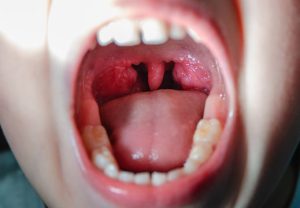
Radiation treatment for head and neck cancer, while essential for effectively treating the cancer itself, often affects the salivary glands located within the treatment field, since these glands are particularly sensitive to radiation exposure. Understanding this mechanism explains why dry mouth is such a common and significant side effect of this otherwise essential cancer treatment. This sensitivity reflects specific characteristics of salivary gland tissue.
Why These Glands Are Particularly Vulnerable
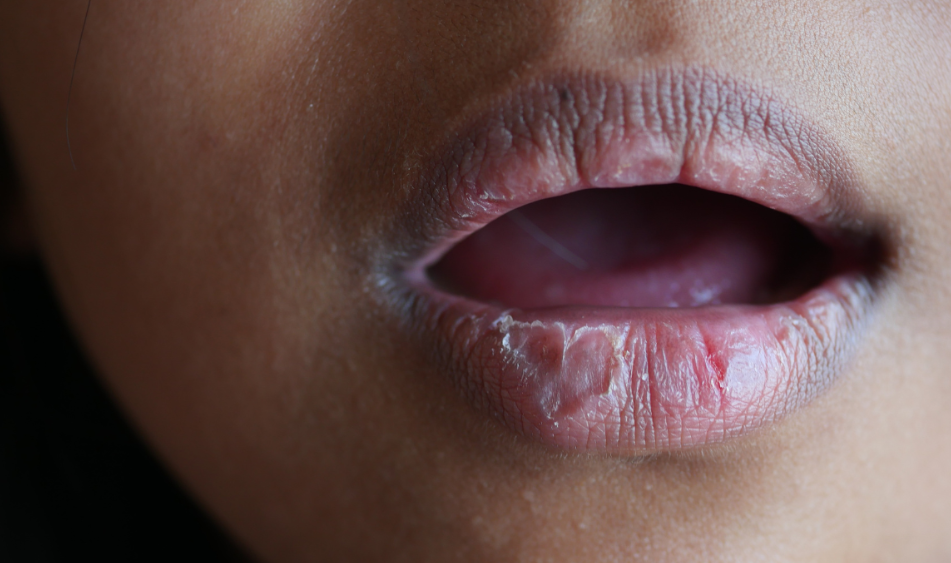
Salivary gland tissue is notably sensitive to radiation exposure compared to some other tissue types, meaning even radiation doses carefully calculated to effectively treat cancer while minimizing side effects can still meaningfully impair salivary gland function. This impaired function directly reduces saliva production, producing the dry mouth sensation, medically called xerostomia, that so commonly follows head and neck radiation treatment. Understanding this specific vulnerability helps explain why this side effect, while genuinely challenging, reflects an expected consequence of effectively treating the underlying cancer.
The Difference Between Temporary and Permanent Changes
Some degree of salivary gland recovery often occurs in the months following radiation treatment, though the degree of ultimate, lasting change varies considerably based on the specific radiation dose and area treated. Understanding this range of possible outcomes helps patients and their care team develop realistic expectations for long term management. This variability reflects differences in individual radiation treatment plans and gland sensitivity.
Understanding the Range of Outcomes
Some patients experience meaningful, gradual improvement in saliva production over the months to a year or two following radiation treatment, as salivary gland tissue partially recovers its function. Other patients, particularly those who received higher radiation doses affecting a larger area of salivary gland tissue, experience more permanent, significant dry mouth requiring ongoing, dedicated management. Understanding which pattern applies to a specific patient helps guide realistic expectations and appropriate long term treatment planning.
Impact on Eating, Speech, and Dental Health
Chronic dry mouth following radiation treatment affects far more than simple comfort, meaningfully impacting eating, speech, and dental health in ways that deserve comprehensive, ongoing attention. Understanding this broader impact underscores why dedicated management of this condition matters significantly for overall quality of life. These effects can compound over time without appropriate management.
The Broader Functional Impact
Adequate saliva is essential for comfortable chewing and swallowing, clear speech, and protecting teeth from decay, meaning significant dry mouth can affect all of these important daily functions simultaneously. Patients often need to modify their diet toward softer, more moist foods and may need to sip water frequently throughout meals and conversation to manage these effects. Dental health deserves particular attention, since reduced saliva significantly increases the risk of dental decay, making dedicated dental care an essential component of managing this condition long term.
Treatment and Symptom Management
Several treatment approaches can meaningfully improve comfort and function for patients experiencing radiation related dry mouth, ranging from simple supportive measures to specific medications designed to stimulate remaining salivary gland function. Understanding this range of treatment options helps patients access comprehensive symptom management. Most patients benefit from a combination of these approaches tailored to their specific situation.
Comprehensive Management Strategies
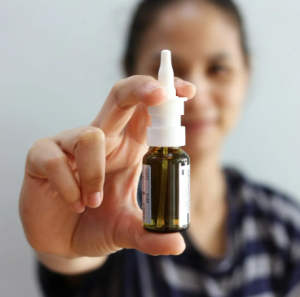
Artificial saliva products and frequent water intake provide direct symptomatic relief, while sugar free gum or lozenges can help stimulate whatever remaining salivary gland function is present. For patients with significant remaining gland function, certain medications can help stimulate increased saliva production, providing more substantial relief than symptomatic measures alone. Working closely with both an ENT and a dentist familiar with radiation related dry mouth ensures comprehensive management addressing both comfort and the important dental health implications of this condition.
Long Term Outlook and Support
The long term outlook for radiation related dry mouth varies considerably between patients, but comprehensive, ongoing management can meaningfully improve quality of life regardless of how much natural saliva production ultimately recovers. Understanding this long term perspective helps patients approach this chronic condition with appropriate support and realistic expectations. Many patients find effective, sustainable management strategies over time.
Living Well With This Long Term Condition
Many patients develop effective personal routines for managing radiation related dry mouth long term. Understanding these strategies helps patients navigate this chronic condition well. The list below reflects components of an effective routine.
- Consistent use of artificial saliva products
- Diligent dental care and regular checkups
- Dietary adjustments toward softer, moist foods
- Regular follow up with both ENT and dentist
- Adjusting strategies as needs change over time
Supporting Quality of Life Through Comprehensive Care
Radiation related dry mouth deserves the same dedicated, ongoing attention as any other significant long term health condition following cancer treatment. Dr. Raj and the team at the New York Institute of Otolaryngology support patients throughout Brooklyn and Rego Park through exactly this kind of comprehensive survivorship care. Thoughtful, sustained management helps patients maintain the best possible quality of life following successful cancer treatment.