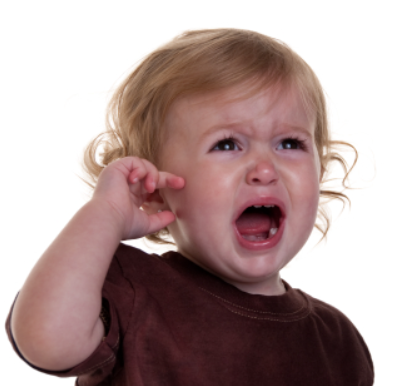
A family who pursued ear tubes specifically to break a cycle of recurrent ear infections sometimes finds, to their genuine frustration, that infections continue occurring even with tubes properly in place. This situation deserves thorough evaluation rather than simply accepting continued infections as an unavoidable outcome. An ENT explains why this can happen and what additional steps can help.
Why Some Children Continue Having Infections With Tubes in Place
Ear tubes work by allowing fluid to drain from the middle ear and equalizing pressure, which prevents the fluid buildup that predisposes to many ear infections, but they do not eliminate every possible pathway for infection to occur, meaning some children continue experiencing infections despite properly functioning tubes. Understanding this limitation helps set realistic expectations while also prompting appropriate further evaluation when this pattern occurs. Recognizing that tubes address one specific mechanism, but not every possible cause, is important context for these situations.Understanding What Tubes Do and Do Not Address
Ear tubes effectively address infections related to fluid accumulation and pressure imbalance within the middle ear, which accounts for the majority of recurrent ear infections in young children. However, infections can still occur through the tube itself, particularly with water exposure introducing bacteria directly, or from other contributing factors like enlarged adenoids that were not addressed by tube placement alone. Understanding that tubes address one specific mechanism, though a very common one, helps explain why continued infections sometimes occur despite properly functioning tubes.Ruling Out Tube Malfunction
Before considering additional treatment approaches, confirming that the ear tubes themselves are functioning properly and remain correctly positioned represents an important first evaluation step. Understanding this initial evaluation helps ensure a straightforward, correctable tube related issue is not being overlooked. This simple check can sometimes reveal an easily addressed explanation for continued infections.Checking Tube Function First
A direct examination confirms whether the tubes remain properly positioned and open, since a tube that has become blocked or has shifted position may not be providing the drainage function it is intended to provide. If tube malfunction is identified, addressing this directly, sometimes through a simple office procedure, may resolve the continued infection pattern without requiring more extensive additional treatment. This straightforward check represents a logical first step before considering more involved additional interventions.Considering Adenoidectomy as an Additional Step
For children who continue experiencing infections despite properly functioning tubes, addressing enlarged or chronically infected adenoids often represents an important additional treatment step, since these can independently contribute to recurrent infections beyond what tubes alone address. Understanding this potential additional intervention helps families consider a comprehensive approach to persistent infections. This combined approach often succeeds where tubes alone have not.Why Adenoids Matter in This Situation
Enlarged or chronically inflamed adenoids can harbor bacteria and contribute to ongoing eustachian tube dysfunction independent of whether ear tubes are in place, meaning addressing this separate contributing factor can meaningfully reduce continued infection frequency. Adenoidectomy, when combined with properly functioning ear tubes, addresses two distinct contributing mechanisms simultaneously, often succeeding where tube placement alone has not fully resolved the recurrent infection pattern. This combined approach represents a well established next step for children whose infections continue despite tubes.Evaluating for Immune or Structural Factors
For children whose infections continue despite both properly functioning tubes and adenoid treatment, evaluation for underlying immune or structural factors becomes an important additional consideration. Understanding this more thorough evaluation helps families pursue answers when initial standard treatments have not resolved a persistent pattern. This deeper evaluation can identify less common but genuine contributing factors.Looking Beyond Standard Treatment
An evaluation for underlying immune deficiency, though uncommon, becomes reasonable to consider in a child with truly persistent infections despite comprehensive standard treatment, since certain immune conditions can predispose to recurrent infections throughout the body, including the ears. Structural factors, including less common anatomical variations affecting eustachian tube function, may also warrant specific evaluation in these more persistent cases. This more thorough evaluation, while not needed for most children, provides important answers for the smaller subset whose infections truly continue despite comprehensive standard treatment.Next Steps When Tubes Alone Are Not Enough
For families navigating continued infections despite ear tubes, a systematic, stepwise evaluation approach helps identify the specific reason for this pattern and guide appropriate additional treatment. Understanding this systematic approach helps families feel confident that genuine solutions exist even when initial treatment has not fully resolved the issue. Most children eventually achieve significant improvement through this comprehensive evaluation process.A Systematic Path Forward
A systematic evaluation approach typically identifies the reason infections continue despite ear tubes. Understanding this approach helps families feel confident that solutions exist. The list below reflects this systematic path.- Confirming tube function and position
- Considering adenoidectomy as an additional step
- Evaluating for immune or structural factors
- Maintaining open communication with the ENT team
- Reassessing the plan as new information emerges