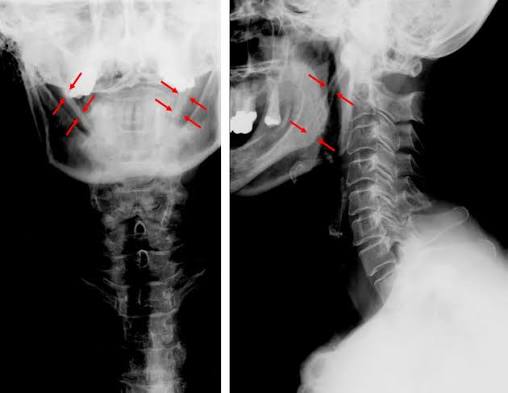
Eagle syndrome is frequently mistaken for a jaw joint problem, sending patients through months of TMJ treatment that never actually addresses the real cause. This confusion happens because both conditions produce strikingly similar pain in the same general area of the face and neck. An ENT explains exactly how to tell these two conditions apart before pursuing the wrong treatment path.
Why Eagle Syndrome Gets Mistaken for TMJ
Eagle syndrome occurs when the styloid process, a small bony structure near the base of the skull, grows abnormally long or becomes calcified, pressing on nearby nerves and blood vessels. TMJ disorders, by contrast, involve the jaw joint itself and the muscles controlling jaw movement. Because both conditions produce pain in overlapping areas of the face, ear, and neck, they are routinely confused with each other in general practice.
Two Different Structures, One Confusing Overlap
The styloid process and the jaw joint sit close enough together that pain from one structure easily radiates into territory typically associated with the other. This anatomical closeness is the root cause of the diagnostic confusion between eagle syndrome and TMJ disorder. Recognizing this overlap is the first step toward pursuing the correct evaluation rather than defaulting to whichever diagnosis is more familiar.
Key Symptom Differences Between These Conditions
Despite the overlap, the two conditions produce a few distinguishing features that a careful evaluation can identify. Recognizing these differences helps direct a patient toward the correct diagnostic pathway rather than months of treatment aimed at the wrong structure. A handful of specific clues tend to separate these two conditions reliably.
Distinguishing Clues Worth Knowing
Several specific features help separate this condition from a typical TMJ disorder. Recognizing this pattern helps guide an accurate diagnosis. The list below reflects the clearest distinguishing signs.
- Pain that worsens specifically with swallowing or turning the head
- A sensation of a foreign object stuck in the throat
- Pain triggered by pressing just below the ear rather than at the jaw joint itself
- No clicking or popping sound during jaw movement
- Pain that persists even when the jaw is completely at rest
Diagnostic Imaging That Tells Them Apart

Confirming this diagnosis requires specific imaging that can visualize the styloid process directly, since this structure cannot be assessed through a jaw joint exam alone. Understanding this imaging approach helps explain why an accurate diagnosis sometimes requires more than a standard TMJ evaluation. This imaging typically provides a clear, confident answer.
How Imaging Confirms the Diagnosis
A CT scan of the neck and skull base clearly shows the length and position of the styloid process, confirming whether it has grown abnormally long or become calcified in a way consistent with this condition. This imaging is quite different from the imaging typically used to evaluate TMJ disorder, which focuses specifically on the jaw joint itself. Pursuing the correct imaging, matched to the suspected diagnosis, is essential for reaching an accurate answer.
Treatment Paths for Each Condition
Because these two conditions involve entirely different structures, their treatment approaches differ considerably, which is exactly why an accurate diagnosis matters so much. Understanding these different treatment paths helps explain why months of TMJ treatment often provide no relief for a patient whose true diagnosis lies elsewhere. Matching treatment to the correct diagnosis produces far better results.
Why Treatment Cannot Be Interchanged
TMJ disorder is typically treated with a night guard, physical therapy, and anti inflammatory medication aimed at the jaw joint and surrounding muscles. Eagle syndrome, when it causes significant symptoms, often requires a surgical procedure to shorten the elongated styloid process, an entirely different intervention than anything used for TMJ. According to the American Academy of Otolaryngology, accurate diagnosis remains the single most important factor in successfully treating either of these conditions.
Getting the Correct Diagnosis for Facial Pain
Reaching an accurate diagnosis when this condition is a possibility requires an evaluation that specifically considers this condition rather than assuming TMJ by default. Understanding when to pursue this broader evaluation helps patients avoid an extended, ineffective treatment path. Recognizing a few specific warning signs supports this decision.
When to Ask About This Condition Specifically
Patients whose jaw pain has not responded to standard TMJ treatment after a reasonable trial period, particularly when pain involves swallowing or a sensation of throat fullness, should specifically raise this condition with their physician as a possible explanation. Bringing this specific condition into the conversation, rather than continuing an ineffective treatment path indefinitely, often leads to the imagi
ng that finally confirms the correct diagnosis. This proactive step can spare a patient months of frustration.
Getting Facial Pain Diagnosed Correctly
Eagle syndrome deserves specific consideration whenever jaw and facial pain does not respond to standard TMJ treatment. Dr. Raj and the team at the New York Institute of Otolaryngology evaluate this exact diagnostic overlap for patients throughout Brooklyn and Rego Park. Identifying the true underlying cause is the key step toward treatment that actually resolves persistent facial pain.