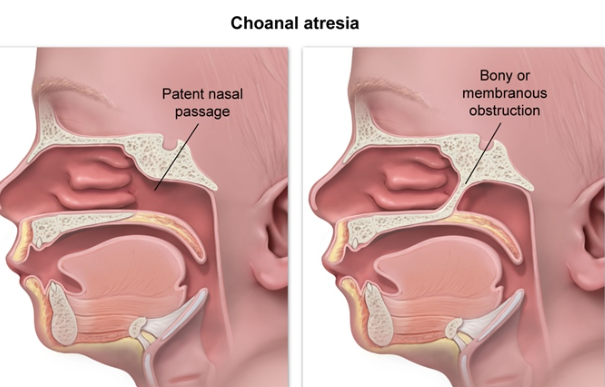
Complete choanal atresia, a total blockage of the back of the nasal passage in a newborn, is well recognized as a serious emergency requiring immediate attention. A milder, partial version of this same condition, called choanal stenosis, can be subtler and easier to miss despite still causing genuine breathing and feeding difficulty. An ENT explains this milder but important variation.
How Stenosis Differs From Complete Atresia
Choanal stenosis involves a narrowing, rather than a complete blockage, of the passage connecting the back of the nasal cavity to the throat, meaning some airflow through the nose remains possible, unlike complete atresia where airflow is entirely blocked. Understanding this key difference explains why stenosis often produces a milder, sometimes less immediately obvious symptom pattern compared to complete atresia. This distinction significantly affects both how quickly the condition is recognized and how it is managed.Understanding the Spectrum of Severity
Complete choanal atresia represents total blockage requiring immediate emergency intervention, since newborns are obligate nose breathers and complete bilateral blockage represents a true breathing emergency. Choanal stenosis, involving partial narrowing rather than complete blockage, allows some nasal airflow to continue, meaning affected infants may not show the same immediate, dramatic breathing distress associated with complete atresia, even though they still experience genuine difficulty. This spectrum from partial narrowing to complete blockage explains why stenosis can present with a considerably subtler symptom pattern.Why Symptoms Can Be Subtler
Because some airflow remains possible with choanal stenosis, unlike complete atresia, affected infants may show a milder, sometimes intermittent pattern of breathing and feeding difficulty that can be more easily attributed to other, more common causes of infant congestion. Understanding why this milder presentation occurs helps explain why this condition sometimes goes unrecognized for longer than complete atresia would. Recognizing this subtler pattern requires specific attention to certain persistent clues.Understanding the Subtler Presentation
An infant with choanal stenosis might show noisy breathing, difficulty feeding specifically related to breathing challenges, or congestion that seems disproportionate to any apparent cold or illness, but these symptoms might reasonably be attributed initially to typical newborn congestion or a minor cold. This overlap with more common, benign causes of infant congestion means choanal stenosis can take longer to be specifically recognized compared to the more dramatically apparent complete atresia. Persistent symptoms that do not resolve as a typical cold would, however, should prompt consideration of this specific structural cause.Recognizing Feeding and Breathing Clues
Certain feeding and breathing patterns provide important clues suggesting choanal stenosis, distinct from more common causes of infant congestion. Recognizing these specific clues helps guide appropriate evaluation for this less obvious but genuine structural condition. A consistent pattern of several of these clues together is particularly suggestive.Clues Worth Recognizing
Difficulty feeding specifically related to breathing challenges, such as needing frequent breaks during feeding to breathe or showing distress specifically while nursing or bottle feeding, suggests a nasal breathing obstruction rather than a typical feeding issue. Congestion or noisy breathing that persists consistently, without the typical waxing and waning pattern of a viral cold, similarly suggests a structural rather than infectious or allergic cause. Recognizing this combination of persistent, feeding related breathing difficulty helps direct evaluation toward considering choanal stenosis specifically.Diagnostic Imaging Approach
Confirming choanal stenosis requires specific imaging or direct visualization to assess the exact degree of narrowing present within the nasal passage. Understanding this diagnostic process helps families know what to expect if this condition is suspected in their infant. This evaluation provides the detailed information needed to guide appropriate treatment planning.How This Condition Is Diagnosed
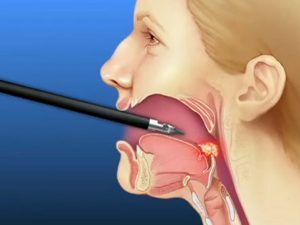
A CT scan provides detailed imaging of the nasal passages, clearly showing the degree of narrowing present and helping distinguish stenosis from complete atresia, as well as identifying the specific location and cause of the narrowing. In some cases, a small flexible scope can also be used to directly visualize the narrowed passage, providing additional detailed information. This imaging based diagnostic approach provides the detailed anatomical information needed to appropriately plan any necessary treatment.Treatment Options for Partial Blockage
Treatment for choanal stenosis depends on the severity of narrowing and how significantly it affects an infant’s breathing and feeding, ranging from careful observation for very mild cases to surgical correction for more significant narrowing. Understanding this range of treatment options helps families know what to expect based on their infant’s specific situation. Most cases, once identified, respond well to appropriately matched treatment.Matching Treatment to Severity
Treatment for choanal stenosis is matched to the severity of narrowing present. Understanding this range of options helps families know what to expect. The list below reflects how treatment is typically matched.- Careful observation for very mild cases
- Surgical widening for significant narrowing
- Monitoring for improvement with natural growth
- Follow up imaging to confirm treatment success
- Coordination with feeding support if needed